
If you’re like most golf fitness professionals, your biggest challenge isn’t training golfers- it’s getting more golfers in the door. You’re not alone! Many professionals struggle with this exact issue, but the good news is, there’s a proven system to help you attract, convert, and retain more golfers in your business. If you’re building from the ground up, this step-by-step guide to launching your golf fitness business gives you the full roadmap before diving into client acquisition.
This Is Your Golf Client Acquisition Roadmap
This guide serves as a central resource for golf fitness professionals who want to attract, convert, and retain more golfers.
Follow the three phases in order, use the supporting resources throughout the guide, and implement the checklist alongside the training video for best results.
Learning Objectives
By the end of this guide you will understand how to:
✓ Position yourself as a golf fitness specialist
✓ Build a golfer prospect database
✓ Create referral partnerships
✓ Implement email follow-up systems
✓ Use AI to improve efficiency
✓ Generate more golf fitness consultations
The 3 Simple Phases to Getting Golf Clients in Your Business
| Phase | Focus | Main Outcome |
|---|---|---|
| Get Ready | Build positioning + foundation | Credibility |
| Get Set | Build relationships + database | Opportunity |
| GO! | Execute marketing + convert leads | Revenue |
Download the free checklist below to implement each phase step-by-step.
Performance Benchmarks for Each Phase
To turn this system into predictable growth, track these minimum targets:
Phase 1: Get Ready (Credibility Benchmarks)
- Define 1 clear Ideal Golfer profile
- Establish 1 core positioning statement
- Launch or update website with golf-specific messaging
- Create at least 2 case studies or example outcomes (even if beta clients)
- Set up 1 lead capture system (form, landing page, or offer)
Phase 2: Get Set (Opportunity Benchmarks)
- Add 10–20 new contacts per month to your database
- Build 3–5 referral partnerships (golf pros, therapists, trainers)
- Grow email list to the first 50–100 golfer contacts
- Send at least 2–4 emails per month
- Post content 1–2x per week consistently
Phase 3: GO! (Revenue Benchmarks)
- Generate 5–15 new leads per month
- Book 3–8 consultations per month
- Convert 30–60% of consultations into paying clients
- Run at least 1 live event or workshop per month (or quarterly minimum)
- Track all key metrics weekly
👉 These benchmarks turn “activity” into measurable progress and eliminate guesswork. It’s equally important to recognize the common mistakes that undermine client acquisition so you can avoid the pitfalls that stall progress before it starts.
Understanding why most golf fitness businesses fail is the first step – and it almost always comes down to skipping the system entirely. Successful golf fitness professionals follow a clear system. Whether you’re just starting or ready to scale, these three phases create predictable growth.
Free Golf Fitness Business Training Video
Phase 1: Get Ready - Building Your Golf Fitness Foundation
Goal:
Build credibility and create your business foundation.
Success Outcome:
A clear market position and professional presence.
Before marketing, posting, or networking – you must build the foundation. This phase is about clarity, positioning, and preparation. If you’re still evaluating whether you have the right pieces in place, reviewing what you actually need to start a golf fitness business will help you confirm you’re building on solid ground.
Developing the right business mindset: Commit to a proven strategy instead of constantly experimenting without direction. Growth comes from implementation, not information overload.
- Stop guessing.
- Stop switching strategies every month.
- Start executing a defined plan for at least 90 days.
This often requires changing your business thinking approach to embrace proven methodologies over trial-and-error tactics.
Clarify Your Ideal Golfer: Be specific – Are you targeting:
- Golfers 50+ who want more distance?
- Competitive juniors?
- Mid-handicap business professionals?
- Golfers with back pain?
The clearer your niche, the stronger your marketing message.
Define Your Unique Positioning: “You’re not just a trainer.” You are:
A golf performance specialist
A mobility expert for golfers
A longevity coach for aging players
A strength coach who increases clubhead speed
Your website, social media bio, and messaging should reflect this clearly.
Build Your Digital Foundation: Today’s golfers research before they buy. Make sure you have, or plan to have:
A professional website with clear messaging
A dedicated “Golf Fitness” service page
Before-and-after case studies
Testimonials from real golfers
A simple lead capture form (Name + Email)
Google Business Profile optimized for “golf fitness near me”
If someone Googles you, what do they see?
Understand Market Demand: Golf participation continues to grow, and more golfers are investing in improvement and longevity.
That creates opportunity — but only for professionals who position themselves correctly and take action.
- For golf fitness professionals ready to accelerate their growth, accessing comprehensive business building resources can provide the structured guidance needed to implement these foundational elements effectively.
Phase 2: Get Set - Building Your Golf Client Network
Goal:
Build relationships and create opportunity.
Success Outcome:
A growing database and referral network.
Now you build leverage. Golf is relationship-driven. Your growth will depend heavily on who knows you and trusts you. That means being intentional about how you ask for referrals – and understanding effective referral methods that actually generate warm introductions without damaging relationships. A key part of making referrals work is knowing how to leverage client feedback to fuel referral growth – turning satisfied golfers into your most powerful marketing asset.
1. Build a Network of Business Friends
Set a measurable goal:
Add 10 new business contacts per month.
Attend golf events, chambers, networking groups.
Connect with club managers, PGA professionals, physical therapists, and local business owners.
Track this activity weekly.
Note: Every golfer you meet- whether they’re a beginner or an experienced player- should be added to your database. The key is mastering getting prospect contact information in a way that feels natural and builds trust. Even if they don’t become clients immediately, they may refer others who will.
2. Partner with Golf Professionals
Teaching professionals already work with golfers actively trying to improve. This is one of the most powerful ways to build your business through referral partnerships – creating a steady stream of warm introductions instead of constantly chasing cold leads.
Schedule meetings and offer:
Complimentary movement screens
Educational workshops for their students
Co-branded clinics
Position yourself as someone who helps them get better results for their players. To scale this even further, you can use referral partnerships to multiply your golfer reach by combining relationship-based networking with a strategic social media presence.
3. Create a Golfer Prospect Database
Every golfer email you capture should go into your database.
Use simple email platforms built for small businesses and creators such as:
Mailchimp (strong beginner platform with templates, landing pages, and basic automation) – Best for: beginners who want an all-in-one solution with simple setup
Kit (formerly ConvertKit) (ideal for coaches, creators, and service professionals) – Best for: golf fitness professionals building lead magnets, nurture sequences, and client funnels
Beehiiv (built for newsletter growth, content monetization, and audience building) – Best for: professionals focused on consistent content, newsletters, and long-term audience building
Most email marketing platforms offer free starter plans, with paid plans typically beginning between $15–50/month depending on list size, automation needs, and advanced features.
Golf Fitness Application Insight:
- Use Mailchimp if you’re just starting and want simplicity
- Use Kit if you plan to build automated follow-up and conversion systems
- Use Beehiiv if your strategy is content-driven (blog + newsletter growth)
Always choose based on ease of use, automation capability, and your long-term growth strategy – not just price.
Collect contact information naturally:
Offer a free mobility guide
Offer a “5 Swing Speed Killers” checklist
Offer a free 15-minute assessment
Remember: No database = no long-term growth. If you want a deeper look at why this step is so critical, our guide on building your golfer prospect database walks through the real challenges professionals face when starting from scratch.
4. Implement an Email Nurture System
Once you collect emails, Send:
Weekly or monthly golf fitness tips
Client success stories as you accumulate them
Seasonal golf prep advice
Simple mobility drills
Email builds trust over time. Consistent follow-up is what separates a growing list from a growing business – understanding how follow-up converts prospects into paying clients is the critical next step after building your nurture system.
Most golfers don’t sign up immediately – they sign up when they’re ready. That’s why having a solid prospect follow-up system for golf clients is one of the most critical – and most overlooked – elements of a sustainable golf fitness business.
Stay visible.
5. How AI Fits Into a Modern Golf Fitness Business
In addition to content creation, AI can now assist with:
- CRM follow-up workflows
- Lead scoring and prioritization
- Personalized email sequences
- Appointment reminders
- Client onboarding communication
- FAQ chat assistants
- Content repurposing across multiple channels
- Meeting and consultation summaries
- Prospect nurturing based on engagement behavior
The goal isn’t to replace relationships.
The goal is to automate repetitive administrative tasks so you can spend more time coaching golfers and building referral partnerships.
The most successful golf fitness businesses use AI to improve consistency – not to eliminate personal interaction. Golfers still choose professionals they trust. AI should support relationships, not replace them.
6. Strengthen Your Digital Presence
Modern networking extends online – To make this work, you need to build a structured system to convert content to clients . Rather than rely on a simple “post & hope” approach, you should focus on consistency of posting while alternating any different ideas. These are some examples:
Post short golf fitness videos
Share mobility drills
Explain common swing limitations
Highlight client transformations
Tag local courses and professionals
Consistency builds authority – Authority builds inbound interest. To deepen your impact online, apply social media strategies to support your client acquisition and turn your digital presence into a steady stream of warm prospects. To see exactly how this plays out in practice, explore how video content and lead generation fuel client growth for a real-world example of this strategy in action. If you want a step-by-step approach to this, our guide on how to run a golf fitness seminar to attract clients walks through exactly how to turn consistent posting into real client relationships. From there, the next step is to turn your lead pipeline into consistent conversions by applying a structured content strategy that moves prospects from awareness to booked appointments.
7. Find and Follow Industry Experts
The golf fitness industry has very few resources compared to general fitness. That’s why it’s essential to follow the right experts who know how to attract golfers. Learn from them, ask questions, and tap into their strategies. Part of that learning process involves positioning yourself in the golf ecosystem – a foundational mindset shift that changes how you approach every relationship and opportunity in this industry.
Phase 3: GO! - Implementing Your Golf Marketing Strategy
Goal:
Turn activity into revenue.
Success Outcome:
Consistent lead generation and client acquisition.
Now it’s time to put everything into motion. Execution separates struggling professionals from thriving ones. Having a great training program or the best golf fitness routines won’t automatically bring golfers into your business- you need to actively market and promote your services. And once those golfers start coming through the door, the real skill is knowing how to convert new golf clients into recurring revenue – turning one-time visitors into long-term members of your business. Here’s what to do:
1. Publish Educational Content Weekly
Short-form content ideas:
“Why Golfers Over 50 Lose Distance”
“The Real Cause of Back Pain in Golf”
“3 Exercises to Improve Rotation”
Use:
Instagram Reels
Facebook
YouTube Shorts
LinkedIn (for business golfers)
2. Speak Directly to Golfer Problems
Golfers now ask:
“How do I increase swing speed?”
“Best exercises for golfers over 60?”
“Why does my back hurt after golf?”
Your blog, emails, articles and videos should clearly answer these questions.
Structure content with:
Clear headlines
Direct answers
Specific solutions
Local references when possible
If you want to go further, learn how to turn your content into client conversions without having to post more often. This improves discoverability in Google and AI-driven search.
3. Run Targeted Digital Ads (Optional Accelerator)
If budget allows:
Run Facebook/Instagram ads targeting golfers in your area
Promote a free workshop
Offer a limited-time assessment
Keep ads simple:
Problem → Solution → Clear Call to Action
4. Host Live Events
Nothing converts golfers like in-person experience. To maximize results from these events, it helps to run a seminar to attract golf fitness clients using a structured, proven format. Here are some ideas:
“Swing Speed Saturday”
“Back Pain & Golf Workshop”
“Pre-Season Power Clinic”
Collect emails at every event and follow up immediately. If you want a proven framework for this, learn how to run a golf fitness seminar to attract clients and turn each event into a reliable source of new business.
5. Track Key Metrics
You cannot grow what you don’t measure. Track:
New contacts added monthly
Referral sources
Email list growth
Social engagement
Consultations booked
Client retention
Growth becomes predictable when tracked. As you refine your tracking, it’s worth exploring balancing client acquisition with outcome-focused metrics to ensure your numbers reflect real business health, not just activity. Once you have these metrics in place, the next step is to build predictability into your golf fitness business so growth stops feeling like guesswork.
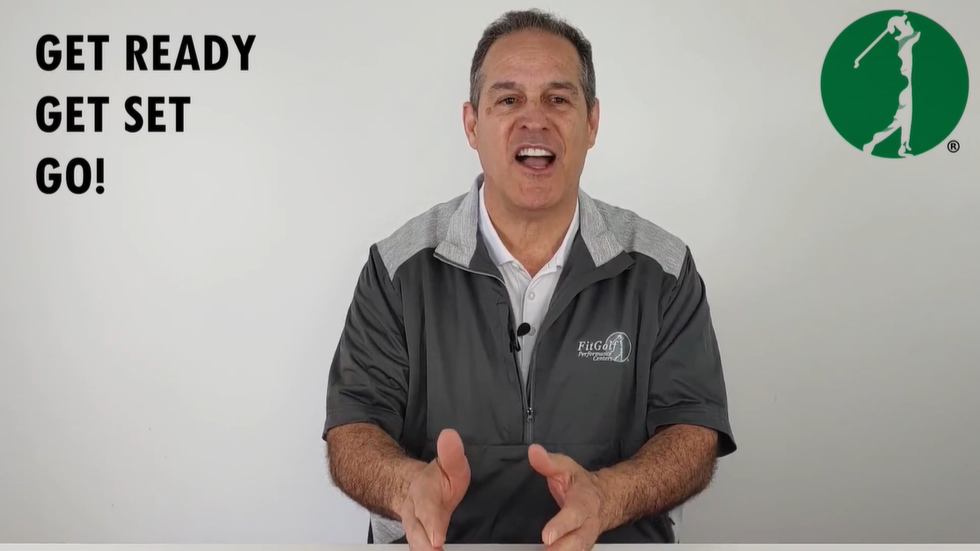
See These Golf Client Acquisition Steps in Action
Watch our full 15 minute training video, where we break down each of these phases in greater detail. But watching isn’t enough – real growth comes from committing to the daily revenue-generating actions that drive growth in your golf fitness business.
Don't forget your checklist!
Want to stop guessing and start attracting golfers consistently? Download the free Golf Client Growth Checklist and implement the exact 3-phase system used by successful golf fitness professionals.
Frequently Asked Questions
How do I get my first golf fitness client?
Start by focusing on one specific type of golfer you can help most. For example, golfers over 50 who want more distance, players with back pain, or competitive juniors looking for strength and mobility. Then begin networking with local golf professionals, posting educational content online, and offering a free assessment or movement screen. Your first golf fitness client usually comes through relationships, visibility, and a clear message – not complicated marketing.
What email software is best for golf fitness businesses?
The best email software is the one you will consistently use. For most golf fitness businesses:
Mailchimp is a strong beginner option with templates and basic automations.
Kit is ideal for coaches who want lead nurturing funnels and stronger automation tools.
Beehiiv is excellent if you plan to grow through newsletters and content marketing.
Choose a platform that makes it easy to collect leads, send regular tips, automate follow-up, and track results.
Should personal trainers use AI marketing tools?
Yes – when used correctly. AI tools can help personal trainers save time by writing emails, creating social media ideas, organizing lead follow-up, and repurposing content. They are best used to support your marketing system, not replace your personal voice or relationships. Golfers still buy from people they trust, so use AI for efficiency while keeping your messaging authentic.
How do golf fitness trainers get referrals?
Golf trainers get referrals by consistently delivering results and building strong local relationships. The best referral sources often include golf professionals, other fitness trainers, physical therapists, chiropractors, country clubs, and satisfied clients. Ask for referrals naturally after positive outcomes, stay visible in your local golf community, and make it easy for others to recommend you by clearly explaining who you help and what problems you solve.
How long does it take to grow a golf fitness business?
Most golf fitness professionals begin seeing traction within 60 to 90 days of consistent effort. Growth depends on your market, referral network, visibility, and follow-up systems. Businesses that commit to weekly content, relationship building, lead nurturing, and tracking results typically grow faster than those constantly changing strategies.
What should I offer golfers first?
Start with a low-risk entry offer such as a free movement screen, swing mobility assessment, or introductory consultation. This helps golfers experience your expertise without a major commitment and gives you an opportunity to recommend the right training program based on their goals.
Content Hub Optimization Note
This article is part of a larger Golf Fitness Business Content Hub.
All internal resources are regularly reviewed and updated to ensure accuracy, relevance, and alignment with current business-building strategies.
If you encounter outdated content or broken links, we recommend revisiting this hub periodically as new strategies, tools, and examples are continuously added.

